

🌻 Hello! 🌻
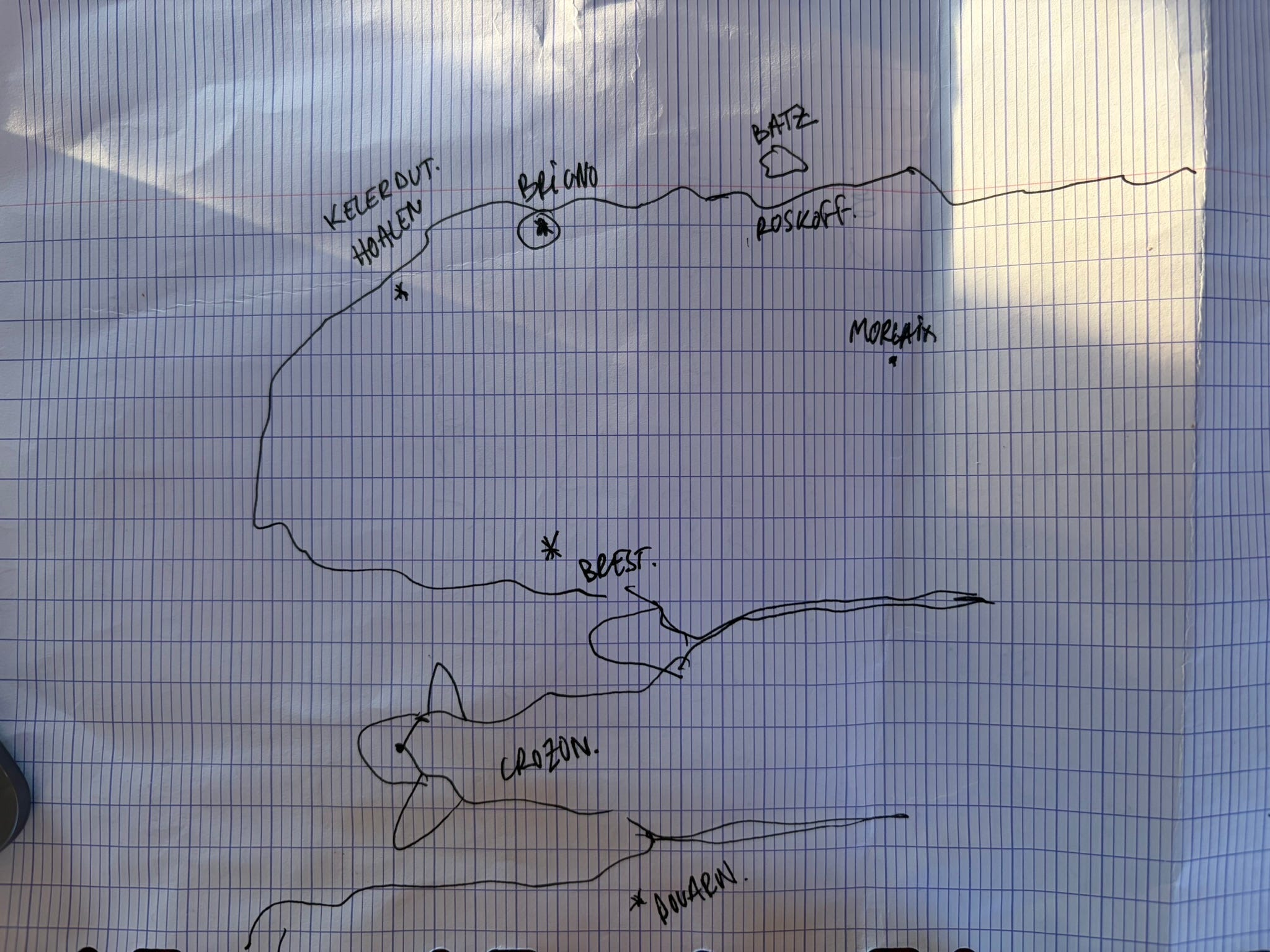
I write to you from Brittany, the most western point of France, which my brother, Hadrien, drew up for you like this:
Brittany’s beaches are covered with giant rock formations and surrounded by dunes. Brittany looks like England, it looks like Iceland, it looks like the moon if the moon had a sea, and if astronauts wore white and blue striped shirts.
I learned that, technically speaking, a landscape of piled up granite rocks is called “a chaos”.
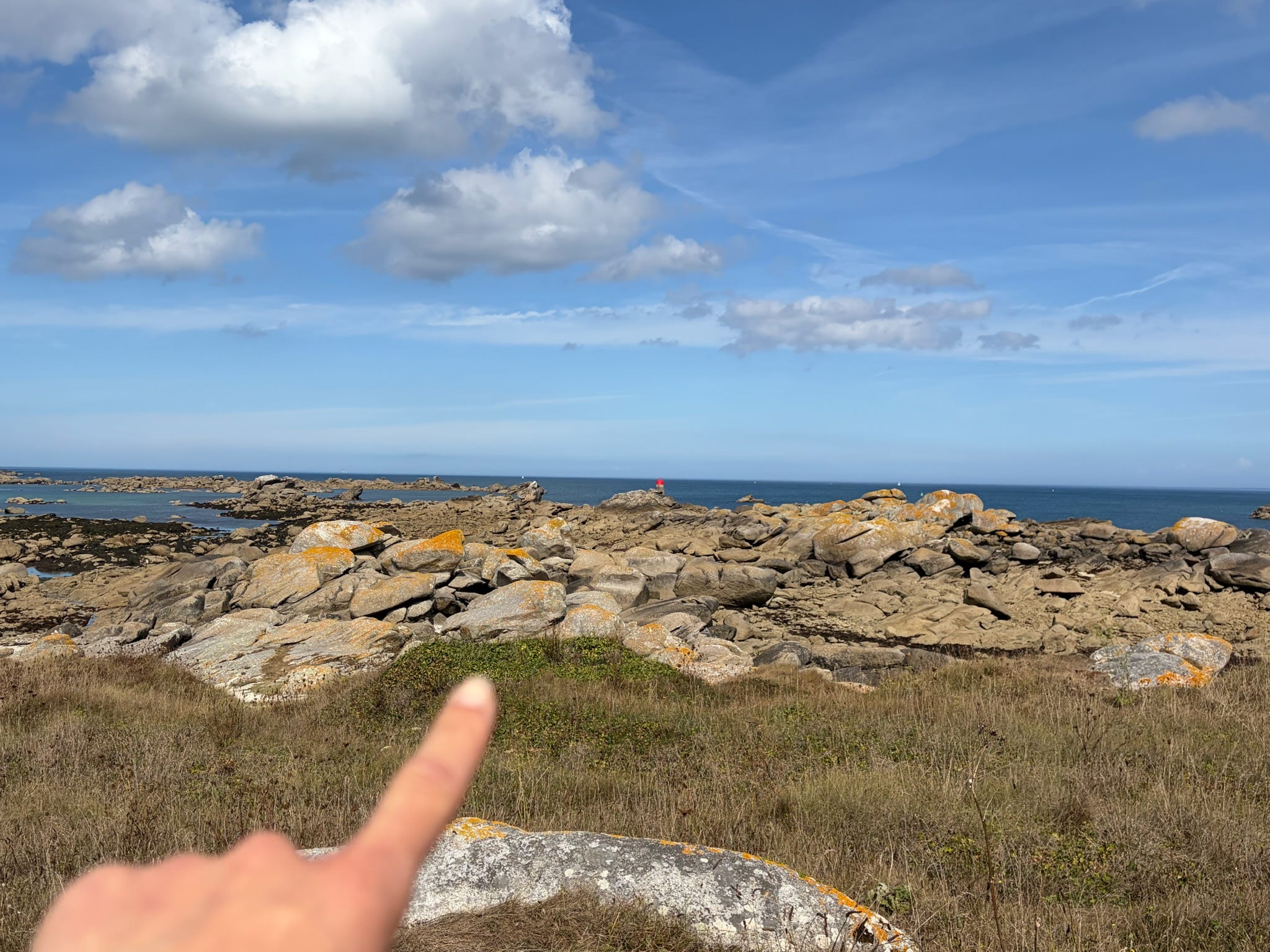
Rumors have it that the sun shines here sometimes. Since Nick and I arrived on August 16, my mom and Hadrien have alleged, again and again, that it had been hot, even, right up until we got here.
Sometime in the 70s, my maternal grandfather and his siblings found that they loved this pocket of the world, and decided that they would return as often as they could. That part of my family lived inland most of the year and I suspect that is the reason they longed for the coast by the time July rolled around. Like short men who date taller women to compensate. I know from stories and photo albums that they sailed, ate fish, and swam, rain or “shine” every summer for years.
My grandfather came here with my mom and her sister when they were children. Hadrien and I did the same as kids. There are Kodaks of me at 5 years old looking sleepy in an orange lifevest surrounded by a group of other crusty-eyed five year olds in oversized jackets waiting to board a catamaran at an ungodly hour. During those summers, I sat on the beach and imagined the shapes of animals in the granite rocks along the shore and climbed giant boulders. Vacations here were wild and solitary. Tides were the only steady measure of time.
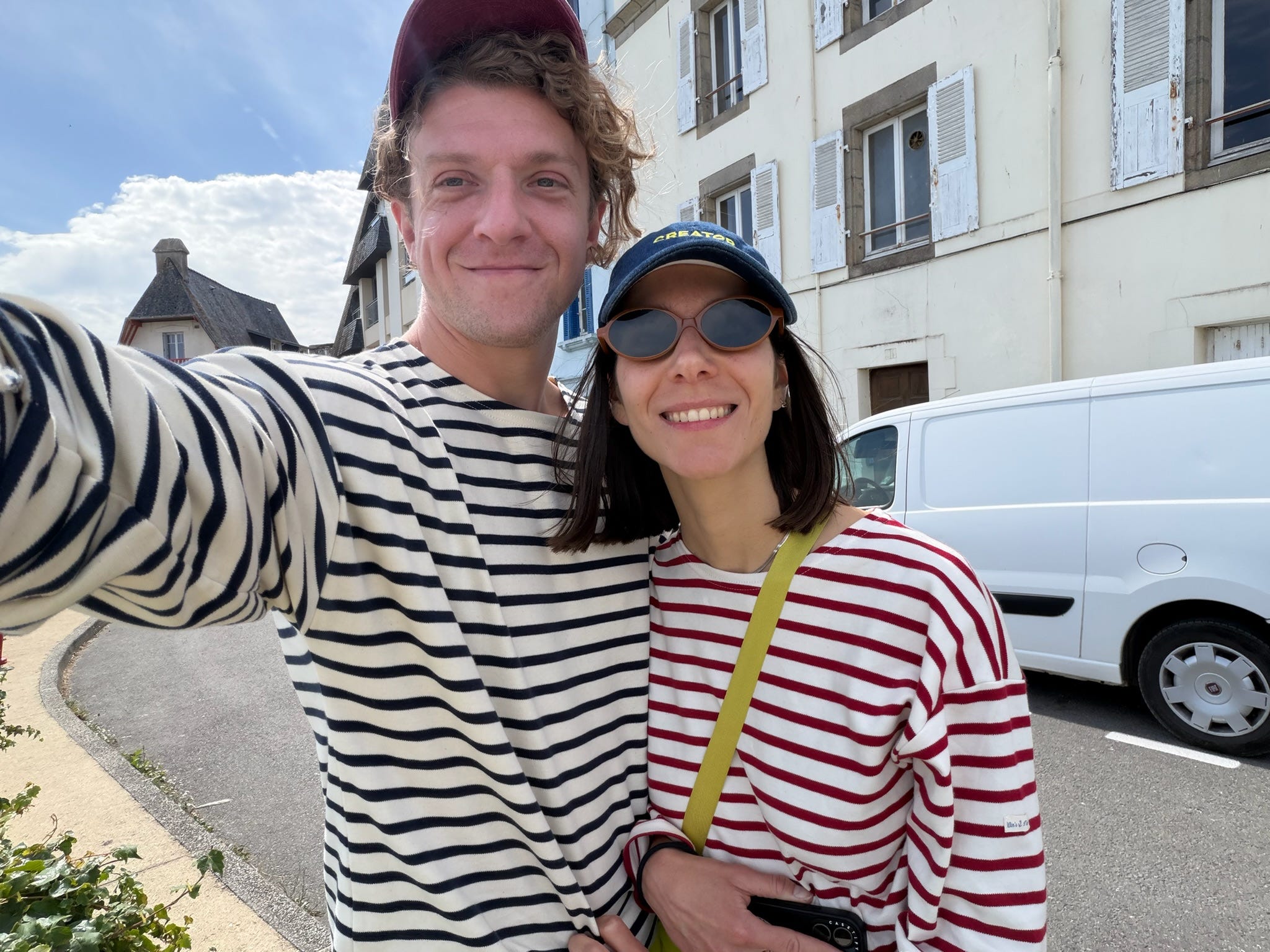
Over dinner on Tuesday, we talked about European versus American beauty standards. I’ve been reflecting on this difference since I got microneedling on my face for the first time last month.
I’d include the selfie I took in the immediate aftermath of the treatment but it’s too scary, so here’s a drawing instead:
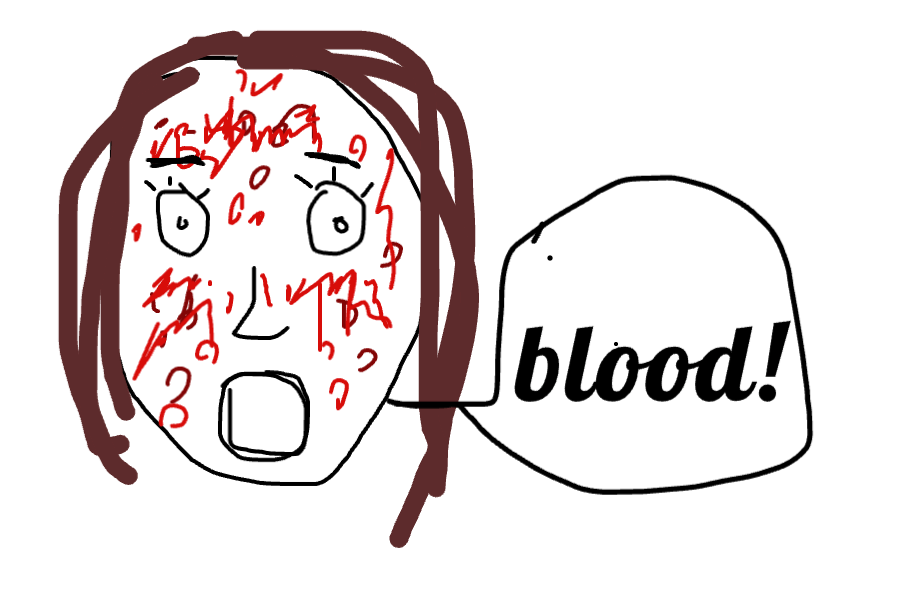
None of my female friends, not even the derm, mentioned I’d have blood all over my face after the procedure. Perhaps they assumed this was obvious, but it was not. Not to me, at least.
Please let the people know: you will bleed if you stick hundreds of tiny needles in your face.
Anyways, as my first-ever cosmetic procedure, this microneedling session was a significant moment in my life and it threw me for a loop. No one in my family has changed their face, so I grew up assuming I wouldn’t either.
As a kid, I had many opinions about how adults were supposed to live their lives, most of which I stand by. For example, when I was around eight years old, I decided that my mother had been a smoker for far too long and proceeded to dump all her Marlboro Lights into the toilet. She pestered and bought new packs, which I confiscated, and emptied in the bathroom, again. Our back and forth lasted for several months but, dear reader, I won, and my mother hasn’t touched a smoke in over twenty years.1
My morals briefly faltered as I entered adolescence, as they often do at that age. I turned fourteen in a French school and suddenly, becoming a smoker didn’t seem all that bad afterall.
I developed a strange love for Marlboro Red 100s, which are intended for cowboys,*not* teenage girls, and were the stronger and longer version of the ones I’d warned my mother against, essentially the worst kind (I haven’t touched a cigarette since I was 18).
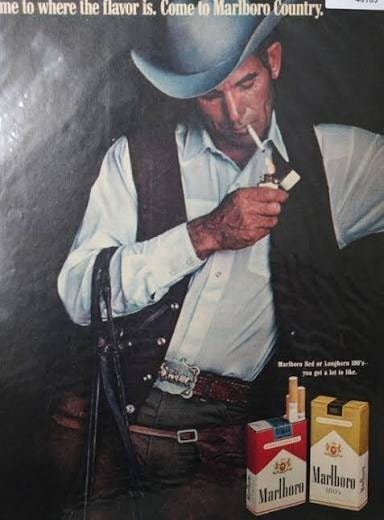
When I left the derm’s office last month, I wondered whether my opinions about cosmetic surgery were following a similar arc as my relationship to cigarettes. As a preteen, I discovered that my mom had two types of friends: those who’d gotten work done on their face and those who hadn’t. One of my favorite activities at adult dinner parties was to guess which friend was which (an excellent tactic was to get each friend to laugh and promptly observe the corners of their mouth for any range of movement). I didn’t play this game with much compassion for the individuals I tagged, in large part because the reasons why one might decide to “improve” their face were still beyond my comprehension. As far as I was concerned, the world was straightforward:

The game was less exciting around my mom’s European friends, who were more likely to have stayed au naturel. It grew more complex as science developed, and I gave up when some of the Euro ladies gave into the cosmetic trend, too.
I had assumed that face improvements only appealed to Americans. To be fair, even today, the U.S. represents almost half of the global market for non-surgical cosmetic procedures and about twice the size of Europe’s.
I recently asked a Parisian friend whether women around her were getting botox, to which she answered: “It’s coming”. It’s not as common or widespread as it’s become in the U.S. It also doesn’t concern people under 30. This friend was shocked when I told her about preventative botox. But then again, no one in France is surprised to walk by a group of prepubescents on a cigarette break.
I’m proud of my mom for resisting the trend. I imagine that being one of the only women in your friend group who hasn’t gotten botox feels like being the last kid in your class without a phone…

On the “f-ing with your face” scale, I’d argue that microneedling (tiny punctures in your skin that activate the scarring process and stimulate the production of collagen to help erase fine lines and acne scars) is…better? Less invasive than a chemical injection, more subtle than a face lift. It’s more of an extreme facial. Sort of. At least, that’s what I told myself on my way to the dermatologist’s office in Midtown, but I’m not so sure anymore.
Anyways, my second appointment is scheduled for next month.

Earlier this week I read Why Don’t European Women Hate Their Bodies?
Although the content of the post is slightly more nuanced than its title, one of the ideas expressed in it is that most American women, especially genXers and millennials, were taught to hate their bodies whereas European women were…not.
The post generated hundreds of comments (now behind a paywall) from Europeans who are over the American romanticization of Europe’s relationships to bodies.
I’ve heard this idealized vision of “the European women” before. A free being, untethered from the patriarchy’s beauty standards, in absolute harmony with her body’s shapes and desires.
I wish it were that simple. I wish we lived in a world where women of an entire continent had magically escaped society’s beauty standards and taught each other to love their bodies. Having been a patient in a French eating disorder clinic for over two years, I promise you we don’t.2
I’m not sure whether this is true across Europe, but France fetishizes the skinny body as a marker of class, health and balance that dismisses other body shapes as faulty.
I liked how Elie described it in this post: “Parisians treat exercise the way old money treats wealth. If you can tell it’s happening, you’re doing it wrong.”
French women’s relationship to their bodies is arguably more twisted than Americans’; you are expected to look a certain way, but you cannot be caught trying.
Diets are rude, workouts are strange and botox is tasteless. To resort to any of these activities is to admit that you are not belle au naturel, that you are only thin because you try. What a shame. How exhausting.
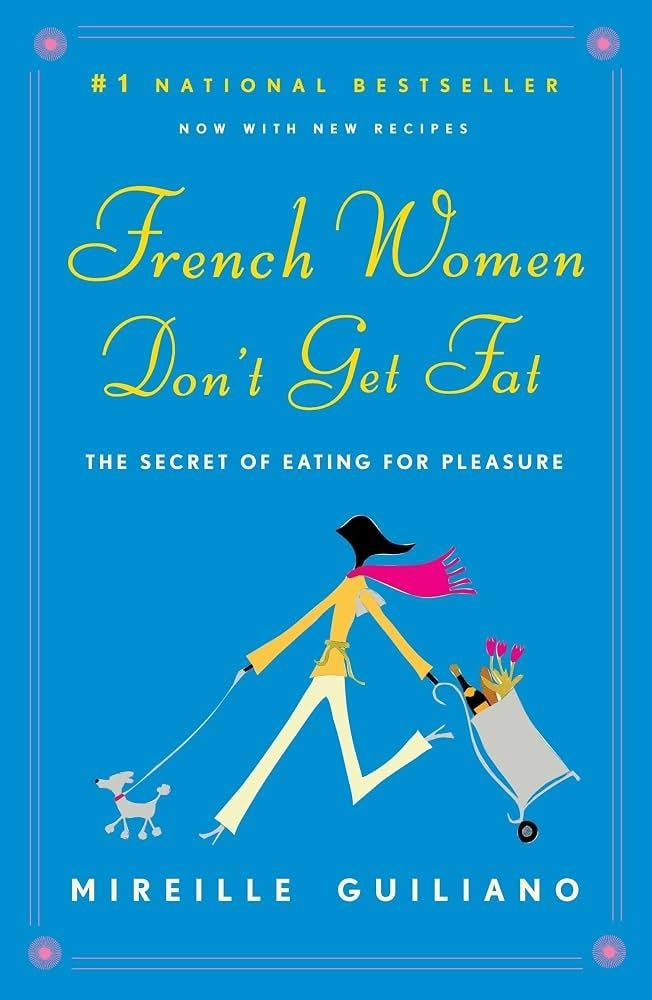
For many historical reasons, America expects almost the opposite: women should strive to be different, should work as hard as they can to reach their intended physique. God forbid they’d take the time to breathe. God forbid they’d look their age.
American women proudly step onto the street in sweaty leggings after a workout; French women walk out of the municipal pool with dry hair and a trench coat.
I tend to think the world is healthier when we lay everything on the table.3
The problem, of course, stretches beyond U.S. versus Europe. The problem is that there are women (and men) who hate their bodies all around the world.
I think I know what Rachel Signer was observing. That the relationship European societies tend to have towards women’s bodies is less puritan than America’s. In Brittany, I can untie my bathing suit top on the beach without the fear that I’ll get arrested for public nudity.
Does that mean I don’t hate my body? Not necessarily. Not every day.
It helps me normalize it. It makes me feel like my body is more accepted, less threatening, maybe, than I might feel on a New York beach. It reminds me that my body isn’t always a vehicle I need to hide away at the risk of offending strangers.
But what a low bar.

🌈 Things that brought me joy:
Nature’s abundance
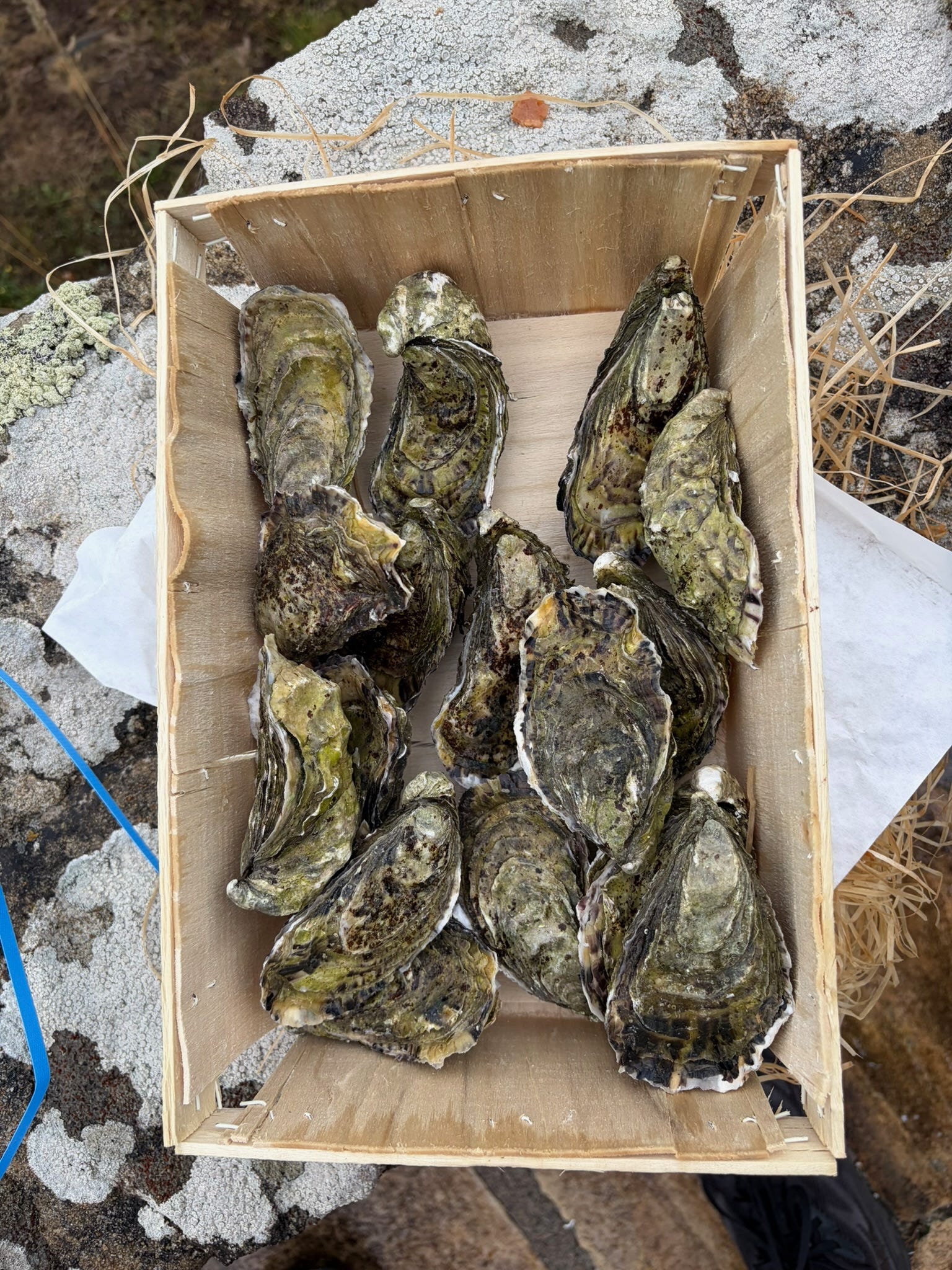
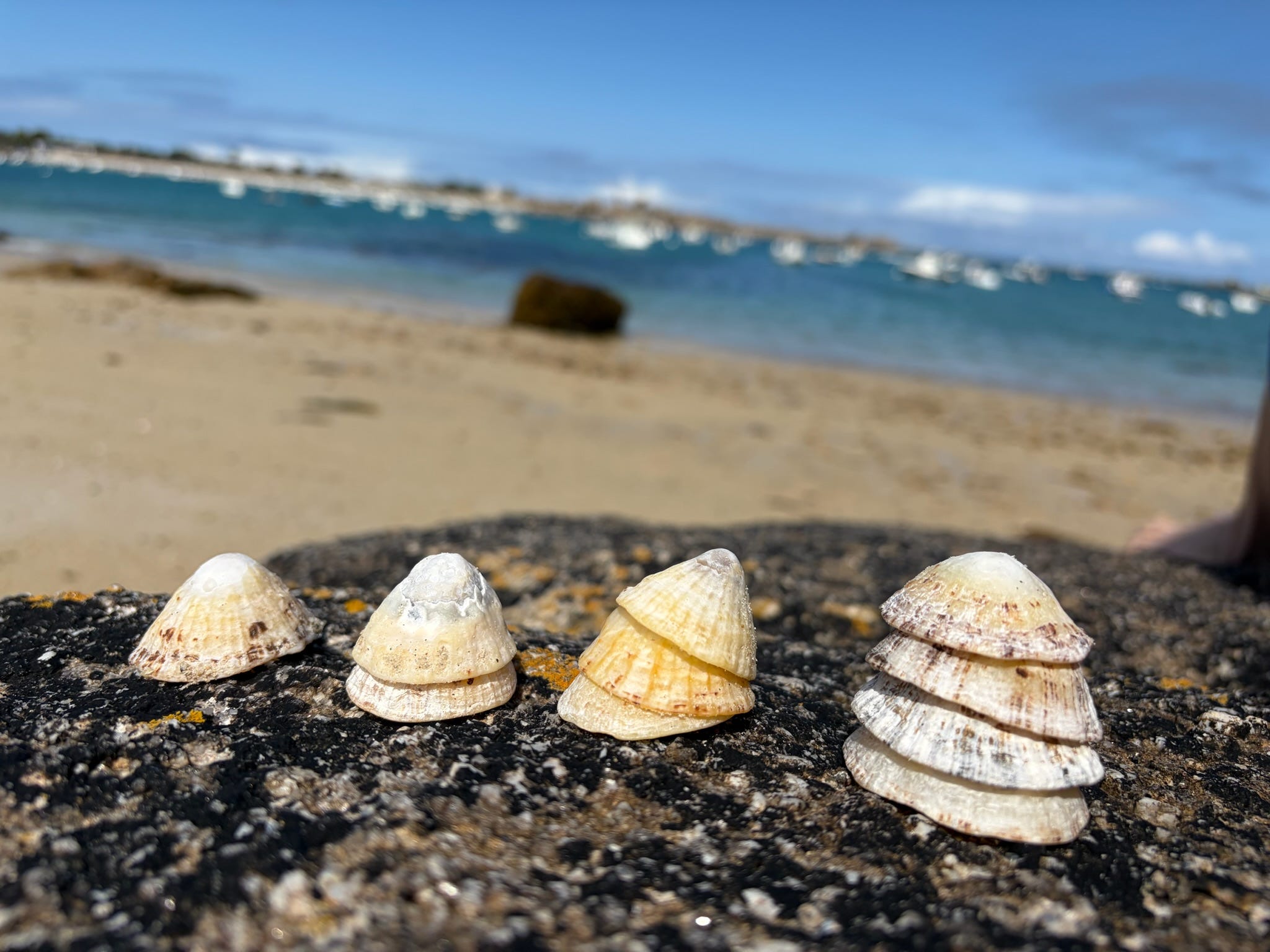

These watercolor pens
Doing nothing! I’ve gotten better at it since Costa Rica.
Until next time,
Clara 🦊
For honesty’s sake I should note that the act of quitting was all her doing.
Nearly a million people have an eating disorder in France today, even with their boobs out: https://www.boulimie.com/statistiques-tca/)
TYSM